The Shape of What Remains » Lexicon

Summary:

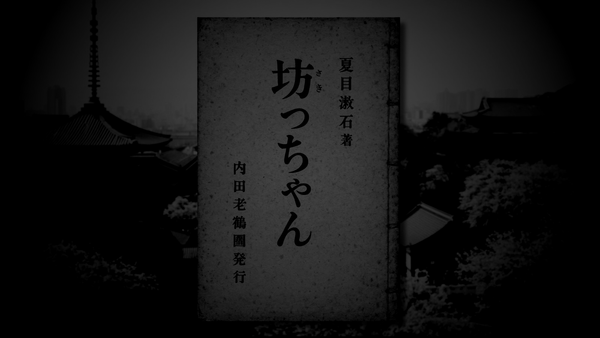
Botchan is Natsume Sōseki’s 1906 novel about a Tokyo man exiled to rural Matsuyama who can’t reconcile his urban identity with provincial obligation. Like maintaining separate Instagram accounts—one for family, one for friends—he’s never whole in either space.

Analysis:

I keep a well-thumbed copy in my study. Sōseki understood what Gloria Anzaldúa would later theorize as borderlands consciousness: the psychic cost of refusing integration. Botchan maintains rigid compartmentalization—Tokyo represents his honne (本音, true self), Matsuyama his tatemae (建前, public face)—and the novel traces his inevitable collapse under the weight of that division.

He chooses geographical escape over psychological integration. Returns to Tokyo, defeated but intact. The privilege of retreat.

Most bicultural people don’t have that luxury. No Tokyo waiting. Just the endless negotiation Sara Ahmed calls “orientation”—the exhausting labor of adjusting your body, your language, your performed self to multiple incompatible worlds simultaneously.

Botchan never becomes whole because he refuses to let his two selves meet. Grace nearly made the same choice—until compartmentalization became unsustainable. The mask doesn’t just hide. It inhibits.

Examples:

  • Deleting photos before visiting family
  • Code-switching in DMs versus family group chats
  • Maintaining separate Spotify playlists for different versions of yourself (I have hundreds of playlists of music that capture cherished places and days long since past, friends now gone, and feelings too pure to purge.)
  • The immigrant child who translates at parent-teacher conferences while performing two identities at once
  • Tatemae and honne
  • Liminality
  • Double consciousness
  • Borderlands consciousness

Lexicon | The Shape of What Remains
Reference articles providing context for the concepts, frameworks, and terms that recur throughout The Shape of What Remains.

Share this post

Written by

Dean Bowman
Writer and consulting analyst exploring threshold spaces. Pioneer of Emotional Forensics. Autofiction, poetry, essays.